
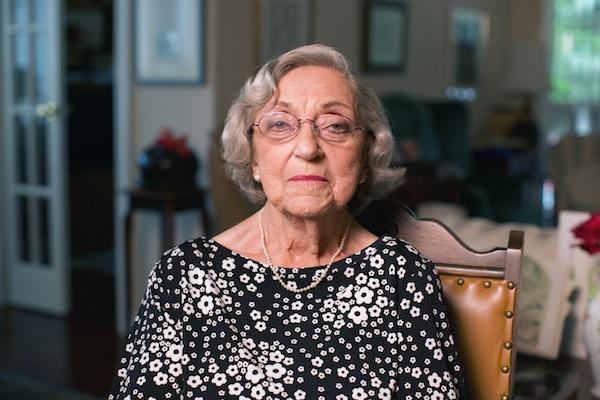
Holocaust Survivor, Educator, Author, Human Rights Advocate, and March of the Living Witness
Judy Weissenberg Cohen z”l was born Judit Weissenberg on September 17, 1928, in Debrecen, Hungary. She was the youngest of seven children in a large Jewish family. Her childhood was marked by family, community, and the ordinary hopes of prewar Jewish life in Hungary, until antisemitic laws, propaganda, and the spread of Nazi power began to change the world around her.
In March 1944, Nazi Germany occupied Hungary. Soon after, Judy and her family were forced to wear the yellow star, were pushed into ghetto conditions, and were eventually deported. In June 1944, Judy and her family were sent to Auschwitz-Birkenau. She was fifteen years old when she arrived. Her parents, Margit and Sandor, her young nephew Peter, his mother Magda, and many members of her family were murdered. Judy and three of her sisters were initially selected for slave labour.
At Auschwitz-Birkenau, Judy survived starvation, selections, terror, and the constant uncertainty of whether she would live another day. After being separated from her sisters, she found support through what she called her “camp sisters,” other young women from Debrecen who became part of her emotional survival. Her later testimony and writing often emphasized the importance of women’s bonds, mutual care, and “sistering” as part of survival in the camps.
Judy was later transported to Bergen-Belsen and then to forced labour at the Junkers aircraft factory in Aschersleben, near Leipzig. There, she worked long hours under guard as part of the Nazi forced labour system. When Allied bombing destroyed the industrial complex in the final weeks of the war, Judy and other prisoners were forced onto a death march.
Life After Liberation
She was liberated by American forces on May 5, 1945, near Leipzig, Germany. After liberation, Judy spent two years in the Bergen-Belsen Displaced Persons Camp, where she was reunited with two surviving siblings. In 1948, she immigrated to Canada through the Garment Workers Scheme, also known as the Tailor Project.
In Canada, Judy rebuilt her life. She worked in the garment industry, later retrained as a bookkeeper, married Sidney Jessel Cohen, and settled in Toronto, where they raised their children, Michelle and Jonathan. After a personal encounter with neo-Nazi Holocaust deniers in Toronto in 1993, Judy became increasingly active in Holocaust education, anti-racism, and human rights work.
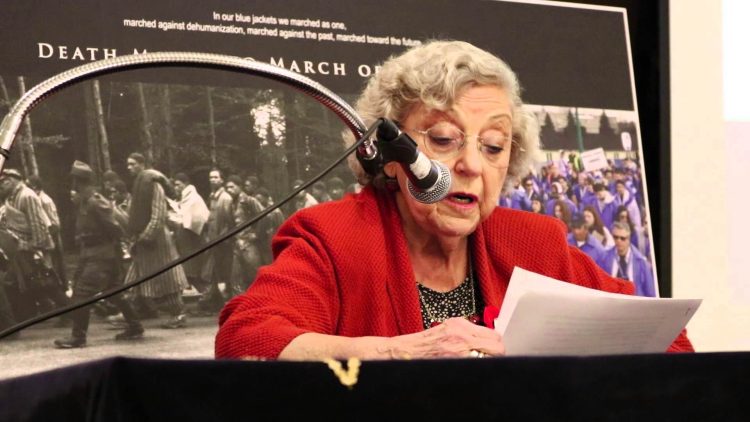
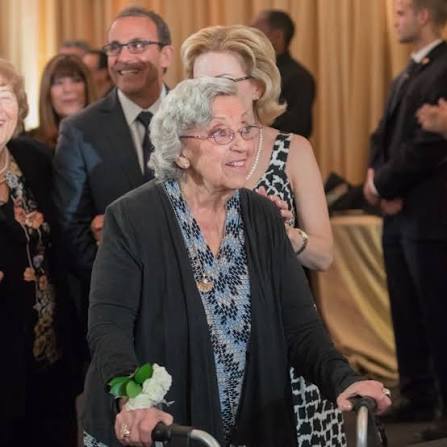
Judy became one of Toronto’s leading Holocaust survivor educators. She spoke to schools, universities, community groups, and March of the Living participants, helping younger generations understand not only what happened to Jews during the Holocaust, but how democratic societies can be poisoned by propaganda, hatred, antisemitism, and indifference. Her work was recognized by the University of Toronto Mississauga with the Principal’s Appreciation Award for her commitment to anti-racism, Holocaust remembrance, and education.
Judy was especially known for insisting that women’s experiences during the Holocaust be studied, documented, and remembered. In 2001, she founded the website Women and the Holocaust, which collected testimony, literature, and scholarly material connected to gender-based experiences in the Holocaust. Her work helped preserve stories that had too often been left out of mainstream Holocaust education.
Her memoir, A Cry in Unison, was published through the Azrieli Foundation’s Holocaust Survivor Memoirs Program. The book tells the story of her childhood in Debrecen, deportation to Auschwitz-Birkenau, survival with her sisters and “camp sisters,” Bergen-Belsen, forced labour, the death march, postwar displacement, and rebuilding in Canada. Azrieli describes the memoir as both a personal survival story and a call to remember women’s specific experiences during the Holocaust.
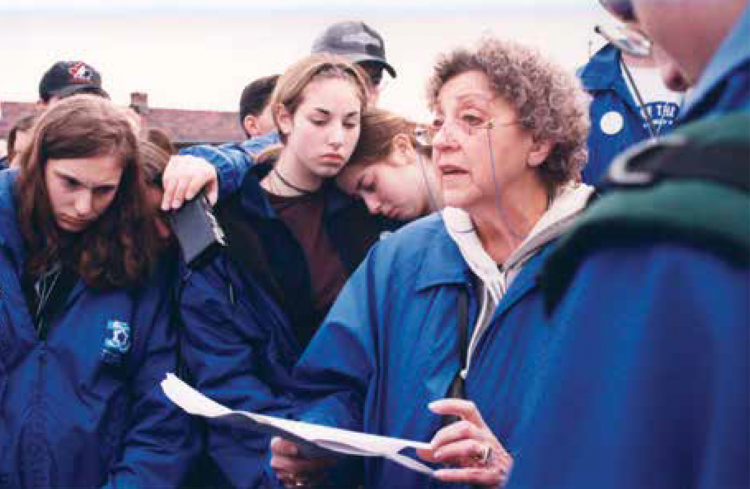
Judy was also connected with March of the Living and MOLDAP. March of the Living preserved her survivor testimony, and MOLDAP’s Holocaust Survivor Vignettes Project. Her vignette, “Please Work for Tikkun Olam,” shows Judy giving a heartbreaking account at Yad Vashem in 1997 of the last time she saw her mother during the selection on the train tracks in Birkenau.
Judy Weissenberg Cohen passed away on September 6, 2026. Her legacy continues through her family, memoir, testimony, March of the Living, MOLDAP, the Toronto Holocaust Museum, the Azrieli Foundation, the Crestwood Oral History Project, and her pioneering work preserving women’s voices from the Holocaust.
“Our prayer was the sound of this incredible cry of 800 women.”
-Judy Weissenberg Cohen’s Yom Kippur testimony about Kol Nidre in Auschwitz. MOTL/Jerusalem Post.
Featured Videos and Media
Bearing Witness: Judy Weissenberg Cohen Vignette: “Please Work for Tikkun Olam“
Azrieli Series Short Film: Liberation | Judy Cohen
Judy Weissenberg Cohen – Toronto Holocaust Museum Vimeo Clip
A Toronto Holocaust Museum video in which Judy discusses life and conditions in Auschwitz-Birkenau.
Judy Weissenberg Cohen – Yom Kippur / Kol Nidre Testimony to March of the Living Students
Tempel Synagogue, Krakow, PL 1997.
Judith Weissenberg Cohen – University of Toronto Mississauga Holocaust Testimony
Crestwood Oral History Project Testimony Segments
Judy was one of the first survivors to become involved in the Crestwood Oral History Project. Below are all 17 segments
2. Hitler’s Rise to Power; Kristallnacht
3. Anti-Semitism; Restrictions and Propaganda
5. The War Begins; The Hungarian Men’s Battalions
8. The Ghettos and the Context of the War
11. The Sauna; Women in the Camps
12. Learning the Truth; The Guards