


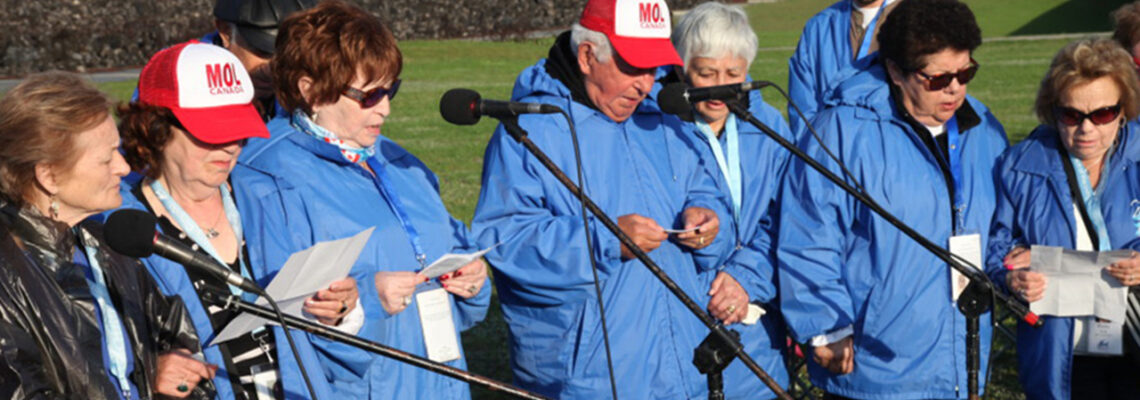
The overall goal of The March of the Living Archive Project is to create a historical archive of testimony from Holocaust survivors who participated in and shared their stories during the March of the Living over the last 25 years, so that their stories are available to future generations.
The MOL Digital Archive Project differs from other Holocaust survivor archives in two significant ways:
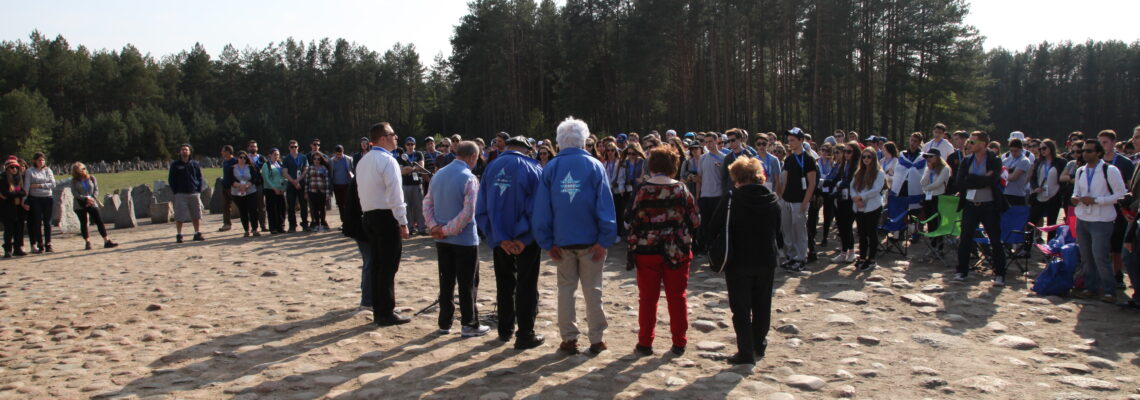
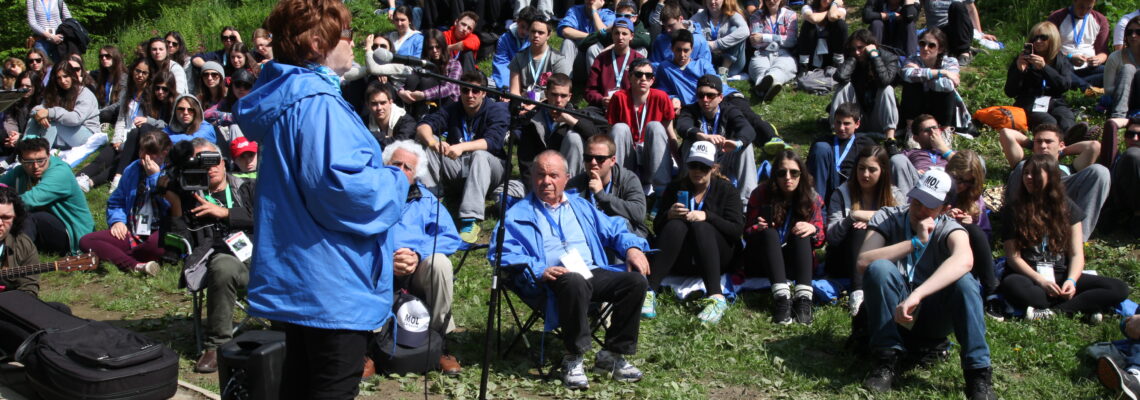
- Much of the testimony is recorded in front of a live audience of young people, in the location where the survivor’s story took place. The transmission of memory from one generation to the next, in the very spot where their personal tragedies unfolded, adds a unique emotional and educational dimension not found in many other testimonies.
- The primary purpose of the archive is to teach the broader lessons of the Holocaust. The humanistic and universal values, such as love, tolerance, kindness and compassion, are explored through the individual stories of these survivors.
This project will
- Establish an online, on-demand resource of testimonies from Canadian Holocaust survivors.
- Teach the themes, such as racism and genocide, from a personal experiential approach.
- Create a unique archive of Holocaust survivor testimony through stories told to witnesses in the places where the Holocaust unfolded.
And will teach
- Resilience of Holocaust survivors in working through past trauma, rebuilding their lives, and contributing to their communities
- Teaching the importance of nurturing positive emotions and avoiding emotions like hatred and revenge.
- Honouring the Righteous Among Nations who teach us never to be bystanders in the face of injustice, and who teach us that goodness exists in all parts of the human family. This also reminds us to prepare young people to stand up against bullying and defend the too-often marginalized.
- To treat with respect and dignity those with disabilities – who were also victims of the Nazis – and to admire their courage and resourcefulness.
- To encourage diversity and celebrate different religions, faiths and backgrounds.
- To instill gratitude for living in a country with democratic values, respect for human rights and justice.